Grief without Measure

Updated: 27 minutes ago
“Sometimes you survive first, sometimes you heal first, and sometimes you grow first. And when you’re finally ready, you grieve. It’s never too late to grieve. It’s never too late to heal.”— Nekohl Johnson
October is Pregnancy and Infant Loss Awareness Month.
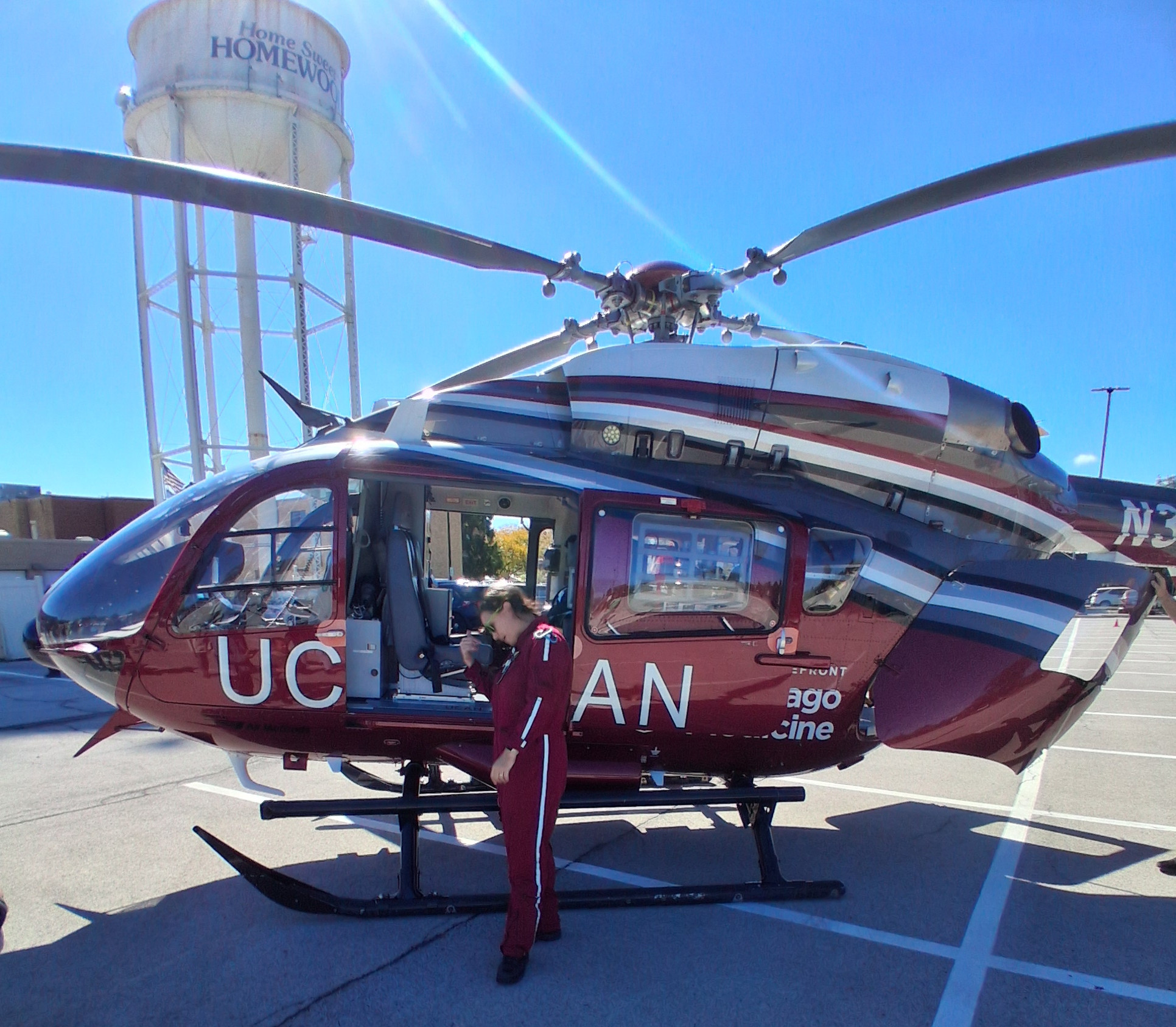
And today, October 3rd, something happened that I wasn't expecting. I was going through Homewood, where I live, and saw a helicopter coming down. It was a University of Chicago Hospital helicopter used for emergencies, the UCAN. The Homewood Fire Department was having an open house, and they invited UChicago Medicine to come through so that individuals could tour it. I watched it land, toured it and took videos and a couple of pictures.
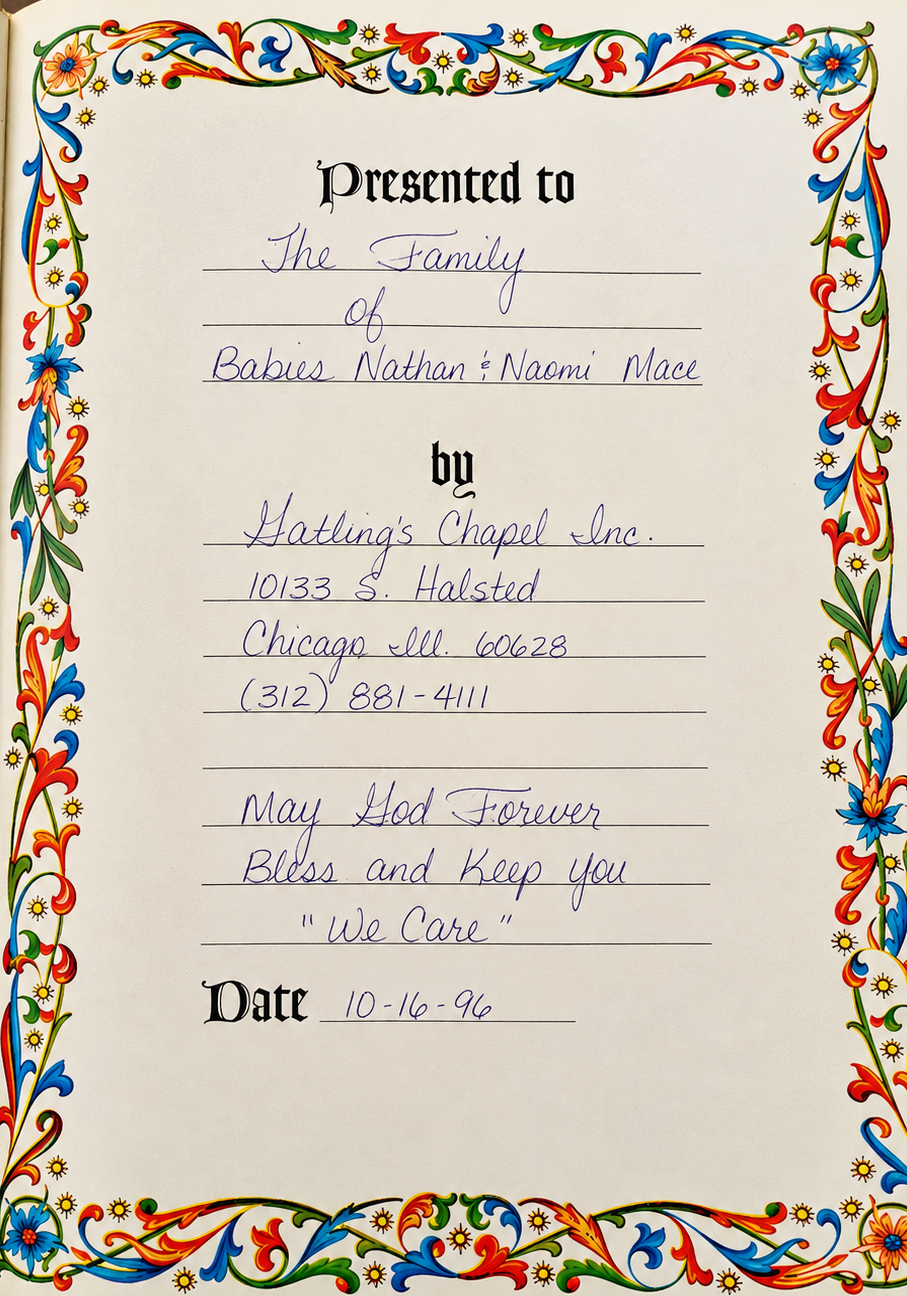
Seeing the helicopter took me to an unexpected mental space. Back to October 10, 1996, when I lost my twins, Nathan and Naomi. At that moment, I thought about what Nathan might have been going through as they tried to save his life. He experienced trauma at birth and for his entire two-day life, trying to survive when he didn’t know what survival was.
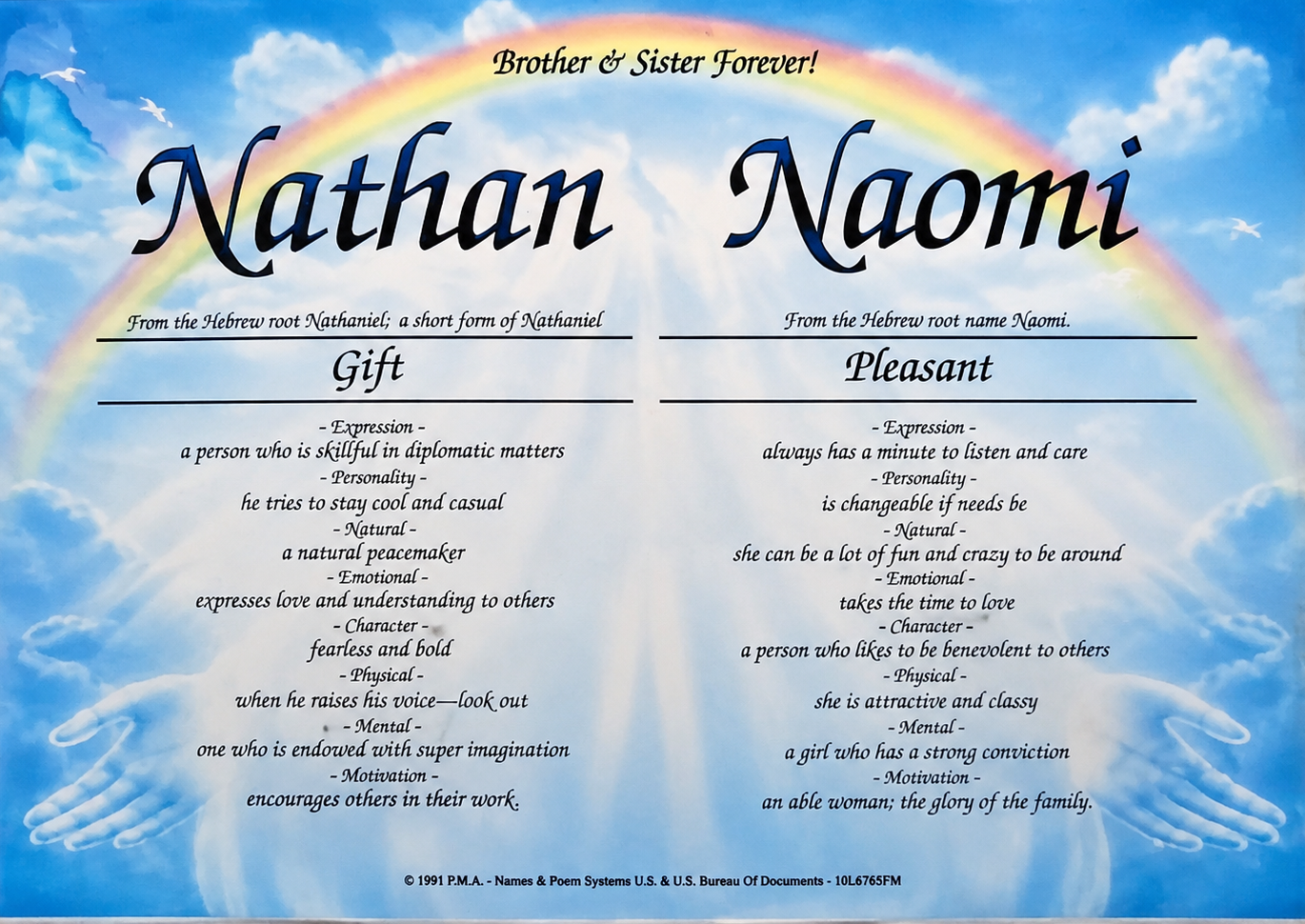
Naomi died in my womb; she was drowned by the blood when I hemorrhaged. As the story goes, a couple of days before the loss, I went to the doctor because I was in excruciating pain. I knew that something was wrong. However, the staff determined that I was okay and sent me home. Two days later, I returned in an ambulance. Placenta previa was the diagnosis. The twins were born at six months, weighing four pounds. I still hold resentment about that, something I don’t talk about.
Even with the pain and hurt, I am now more in tune with myself enough to actually feel it. When I see twins now, or hear about twins, I think about the experience that I might have had and what it might have been like to raise my babies. Instead, I had to see my babies, funeralize them, and bury them. It is an experience I will never forget.
While I watched the helicopter fly away, I realized there was something else I needed to understand about that experience. I was not only grieving the loss of my twins. I was carrying so much more. At that time, I had just been discharged from the military. I still had the remnants of unresolved childhood trauma, joining the military, going to war. I was married at 22, had my first child at 23, and lost the twins at 25. It was a compilation of things.

There is no way that if I had processed all of the traumas when they occurred, I would have been able to sustain myself day by day. One of the biggest differences between who I was then and who I am now is the work, the wholeness strategy, and self-awareness.
Today, as I grieve the loss of the twins, I realize that grief doesn't always happen at the time of the incident. Sometimes you have to survive first and keep moving. At the time, there may be so much happening inside of you that you simply don’t have the capacity to process everything at once. I believe that God understands that.
There is a Scripture that I've thought about in relation to this. 1 Corinthians 10:13 KJV says, “There hath no temptation taken you but such as is common to man: but God is faithful, who will not suffer you to be tempted above that ye are able; but will with the temptation also make a way to escape, that ye may be able to bear it.”
I know that the Scripture is talking about temptation and testing, but I believe there is something about God's faithfulness in that Scripture that connects to my experience. Maybe God's way of helping me bear everything I was carrying wasn't by making me process it all at once, but by allowing me to survive first; to keep going until I had the capacity to come back to the things that hurt. Grieving it all at one time might have put me in a space psychologically or even physically that I may not have been able to take.
And then there is another Scripture that speaks to me, Ecclesiastes 3:4 KJV: “A time to weep, and a time to laugh, a time to mourn, and a time to dance.” There is a time to mourn, and that time isn't always immediately after the loss. In my case, I had to live, survive, and grow first.
Now is a time I can finally mourn, since I am more in tune with myself. I can feel things that I wasn't able to process before. After the incident, I was lost and unaware for over a year. Today, I recognized the pain, sat with it, and now I am writing and sharing my experiences, which is a tool that I used for healing.
There is a psychological concept called Growing Around Grief, or the Tonkin Model of Grief. The idea is that the grief doesn't necessarily become smaller. Instead, you grow. Your capacity and life grow around it. When I think about my life, that's what I believe happened to me. Instead of the grief disappearing, I grew around it.
The woman I am today has the tools that I didn’t have then. I’ve participated in programs, written, and even performed on stage. I have processed the trauma and can experience a different type of grief. Sometimes you survive first. Sometimes you heal first. Sometimes you grow first. And then, when you're ready, you grieve.
It's never too late to grieve. It's never too late to heal.
And maybe that is what Grief Beyond Measure means. Some grief cannot be measured by time. It cannot be measured by how many years have passed or by how much you've already healed. Sometimes the grief is still there. But so are you. Maybe healing isn't about making grief disappear but about growing enough to hold it.
The grief may still be there. But so am I.
And I am finally giving myself permission to grieve.
It's never too late to grieve. It's never too late to heal.


Comments